(01) The challenge
TaskForge's crews run inspections from vans, warehouses and rooftop plant rooms — everywhere a browser tab fails slowly. Planning lived in a web app that nobody could trust offline, so the work reverted to paper and someone re-typed it in the evening.
The cost was not the typing. It was that the day's plan was only visible the next morning, by which point the exceptions had already been absorbed by the crew.
(02) Approach
We built the app in Rust with a Tauri front end so the binary stays small and starts instantly, and made the local store the source of truth rather than a cache. Every write lands on disk first; sync is a background reconciliation pass that can be interrupted at any point.
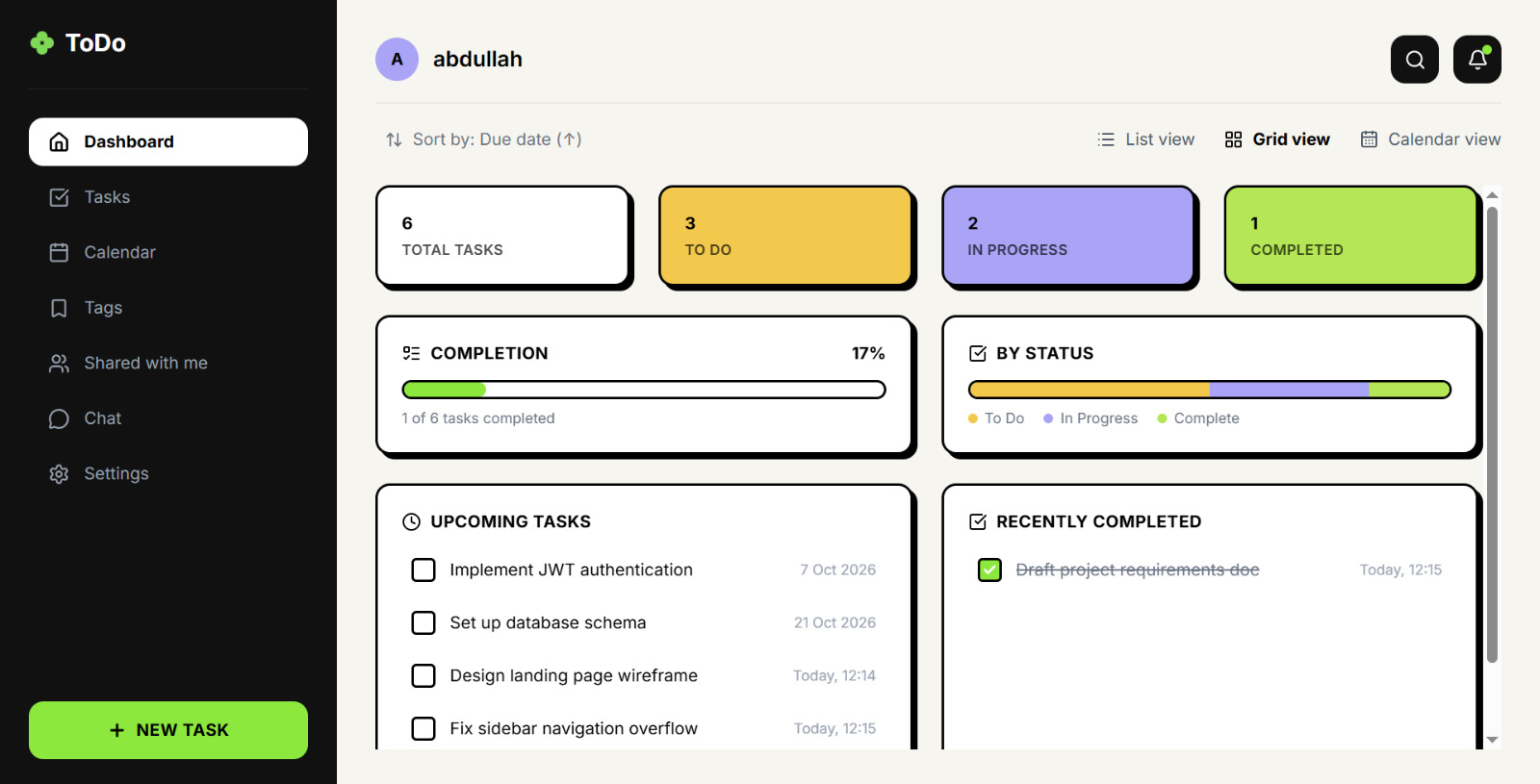
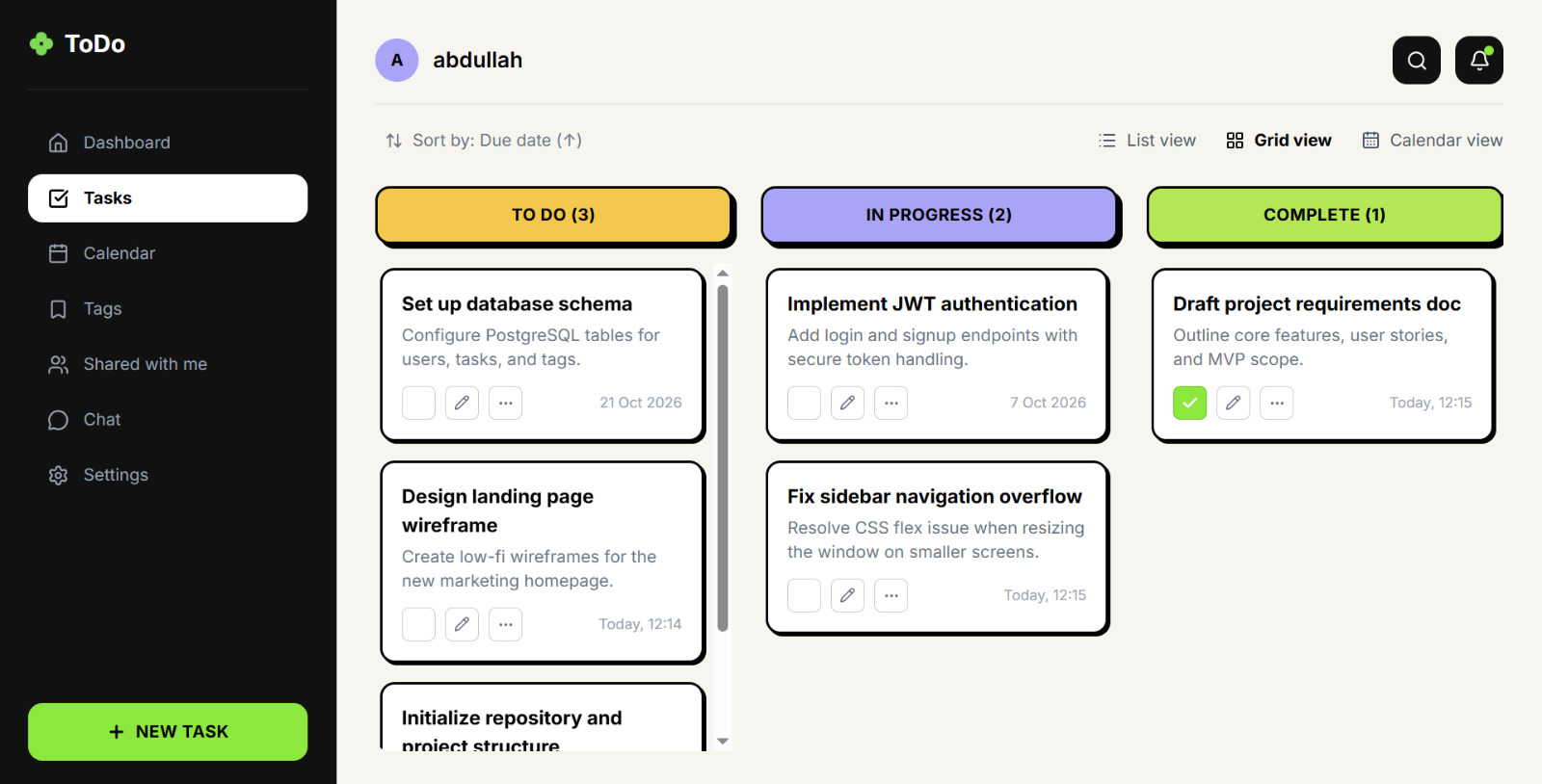
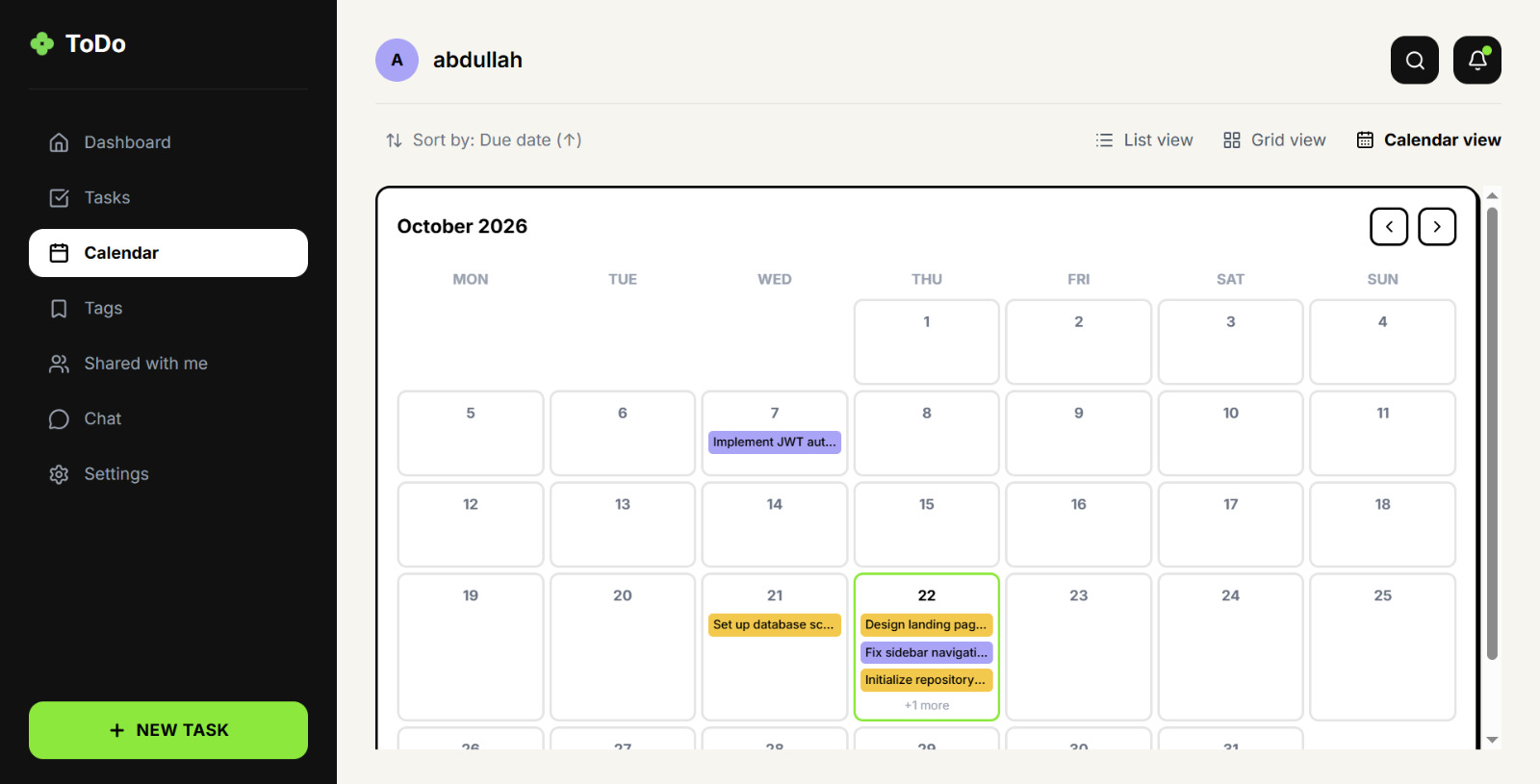
The interface is deliberately ordinary — dashboard, board and calendar over the same records — because the difficult work is underneath it.
(03) Outcome
Across the first quarter of deployment, end-of-shift re-keying disappeared and exceptions became visible the same day. The binary is under 12 MB and opens in well under a second on the oldest machines in the fleet.
100%
Tasks captured offline
12 MB
Installed binary size
3
Platforms from one codebase
(04) What we did
The first milestone was a headless sync harness, not a user interface. Two clients on the same account were driven against each other with network cuts in the middle until the change log converged every time. Only then did the product work start.